

IPL Laser Add-Ons · hamilton, ON
Radio Frequency Skin Tightening
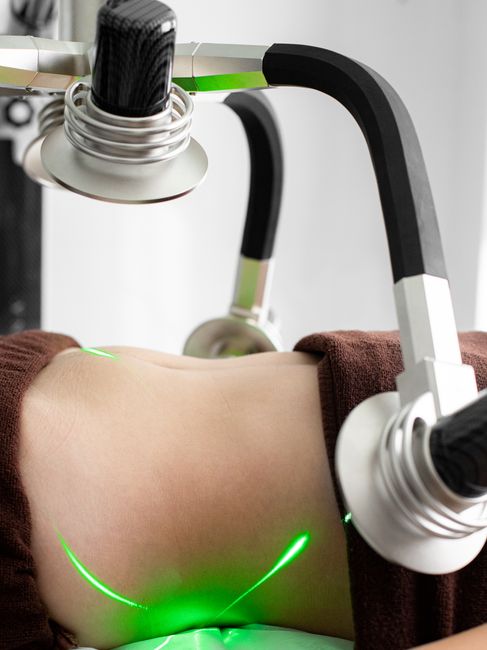
Add RF tightening to boost collagen production and improve firmness during your IPL session.
Price$68
Duration15 mins
Radio Frequency Skin Tightening Gallery
$$MultiPurposeText$$
See examples of our Radio Frequency Skin Tightening work and results.

What Our Clients Say
$$MultiPurposeText$$
Read testimonials from our satisfied customers

Pleasant, thorough esthetician. Nails look great!

⭐️⭐️⭐️⭐️⭐️ 10/10 I’ve been visiting Elva Aesthetics for over a year; it is a very clean an...more

Nothing but good things to say about Elva Aesthetics, they always have great promotions go...more

Abby was great!! Great service & so nice!! Made everything super comfortable!!

Relaxing experience with Abby. My eyelashes look so natural.

This is a great local salon! I’ve gotten my lashes done here 5-6 times and I’m always very...more

Frequently Asked Questions
Get answers to common questions about Radio Frequency Skin Tightening.
RF delivers controlled heat to deeper dermal layers during your IPL appointment, stimulating collagen and tightening tissues. Combined treatment targets pigmentation and texture while simultaneously improving firmness, making results more comprehensive than IPL alone with minimal added treatment time.
Most clients experience mild warming and brief tingling; discomfort is typically low. We use adjustable settings and cooling to maximize comfort. Any redness subsides within hours, and most patients resume normal activities immediately after their combined IPL and RF session.
Recommended sessions vary by concern; many clients see meaningful tightening after two to four combined IPL+RF treatments spaced three to six weeks apart. Maintenance sessions every six to twelve months help sustain collagen production and long-term firmness.
Common temporary effects include mild redness, swelling, or tenderness that resolve within a few hours to a few days. Serious complications are rare when performed by trained providers; we'll review your medical history to minimize risks.
Ideal candidates have mild to moderate skin laxity, want non-surgical improvement, and are in good overall health. RF with IPL suits those treating sun damage, uneven tone, and early sagging. Personalized consult determines suitability and expected outcomes.
Avoid recent sun exposure, tanning, and certain topical retinoids for one to two weeks. Hydrate well, arrive with clean skin, and disclose medications. We'll give specific pre-treatment instructions tailored to your skin and medical history.
Ready To Book Radio Frequency Skin Tightening?
$$MultiPurposeText$$
Schedule your radio frequency skin tightening appointment today and experience the difference.